
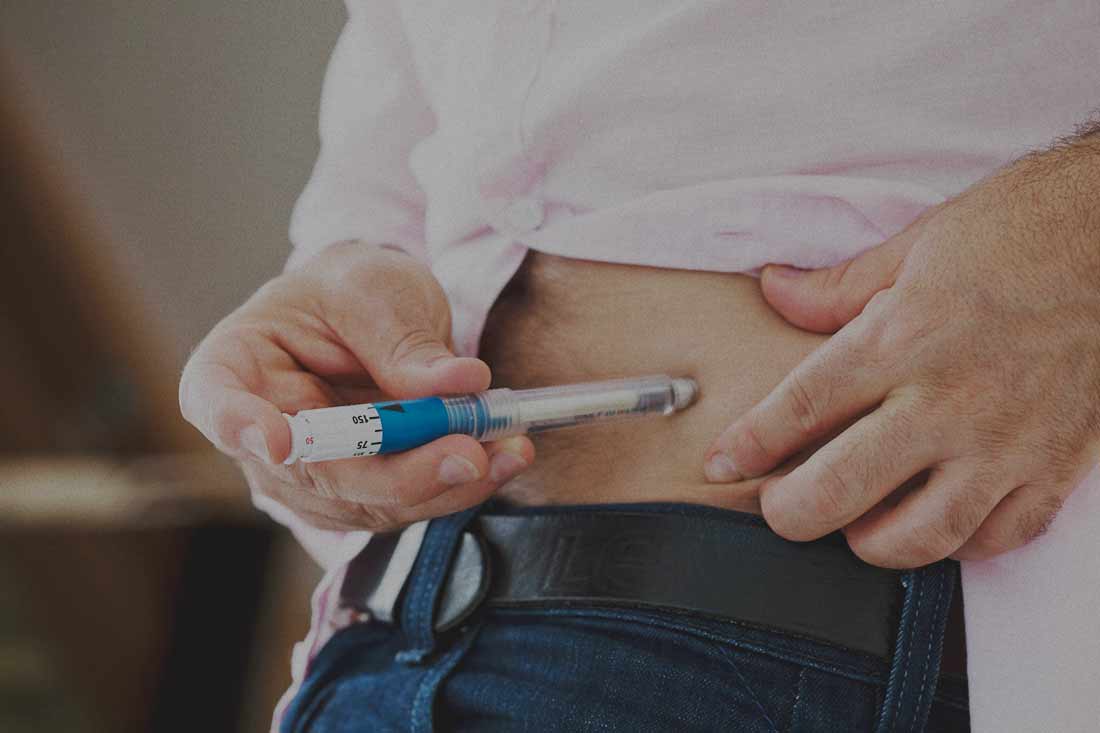
Diabetes is a chronic (long-lasting) health condition that affects how your body turns food into energy.
Your body breaks down most of the food you eat into sugar (glucose) and releases it into your bloodstream. When your blood sugar goes up, it signals your pancreas to release insulin. Insulin acts like a key to let the blood sugar into your body’s cells for use as energy.
With diabetes, your body doesn’t make enough insulin or can’t use it as well as it should. When there isn’t enough insulin or cells stop responding to insulin, too much blood sugar stays in your bloodstream. Over time, that can cause serious health problems, such as heart disease, vision loss, and kidney disease.
What is glucose? Glucose (sugar) is our body’s main source of energy—like gasoline is to a car. Glucose comes from the food we eat (carbohydrates). The liver also stores glucose and releases it into your blood.
What is insulin? Insulin is a hormone made in your pancreas. It works like a key to unlock your cells and allow glucose (sugar) into the cell. Without insulin, the sugar stays in your blood. All humans need insulin to live.
What is the Pancreas? The pancreas is an organ in your body. The pancreas makes insulin and other hormones needed to break down and get energy from the foods you eat.
What is A1C? Hemoglobin A1C is a blood test done in the lab that will give your average blood sugar over the last 3 months. The general goal for patients with diabetes is to maintain an A1C less than 7%. Higher A1C levels are linked to diabetes complications, so reaching and maintaining your individual A1C goal is really important if you have diabetes.
Want to join Copa in improving the care and support for members of your community in need? There are multiple ways you can participate.